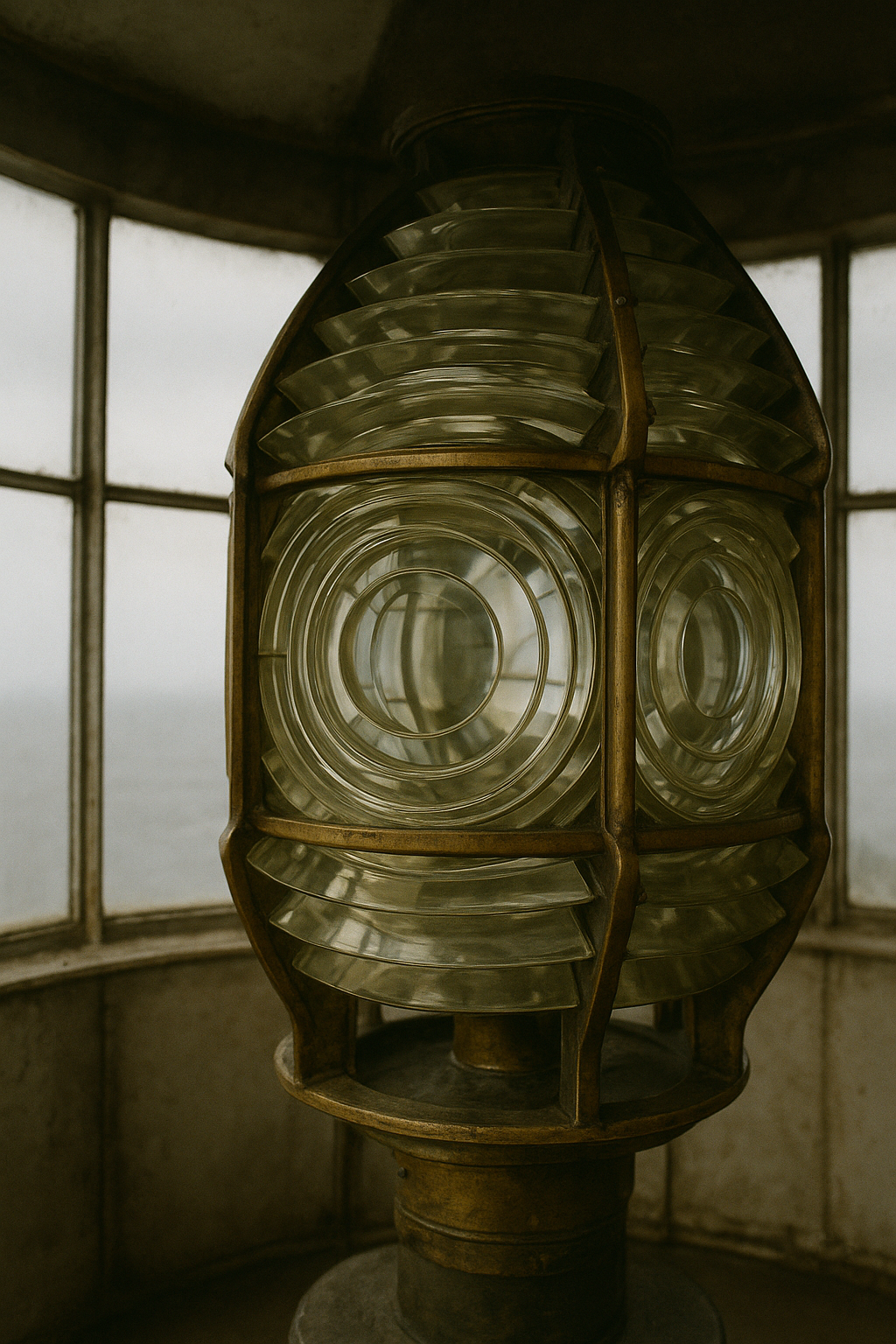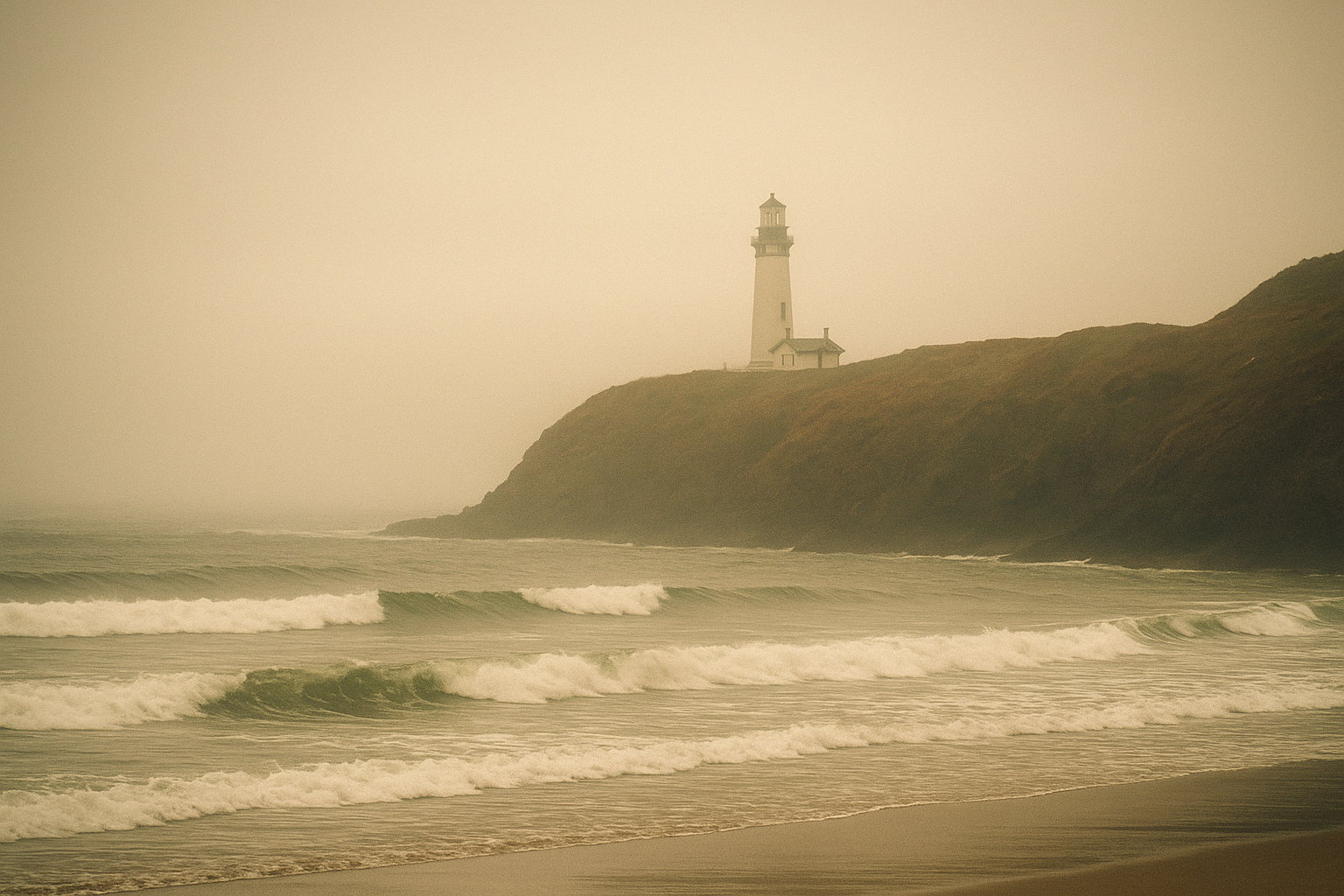
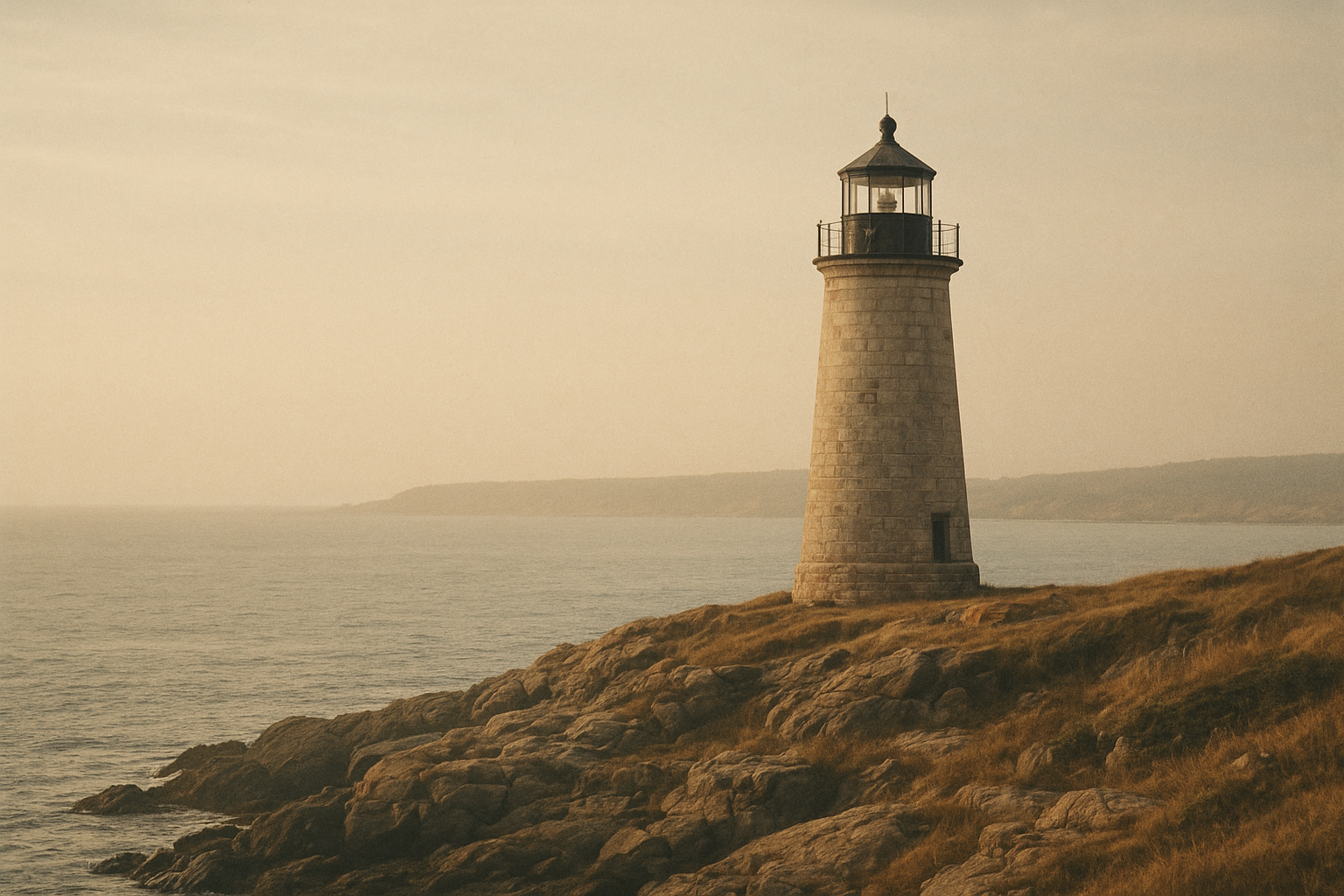
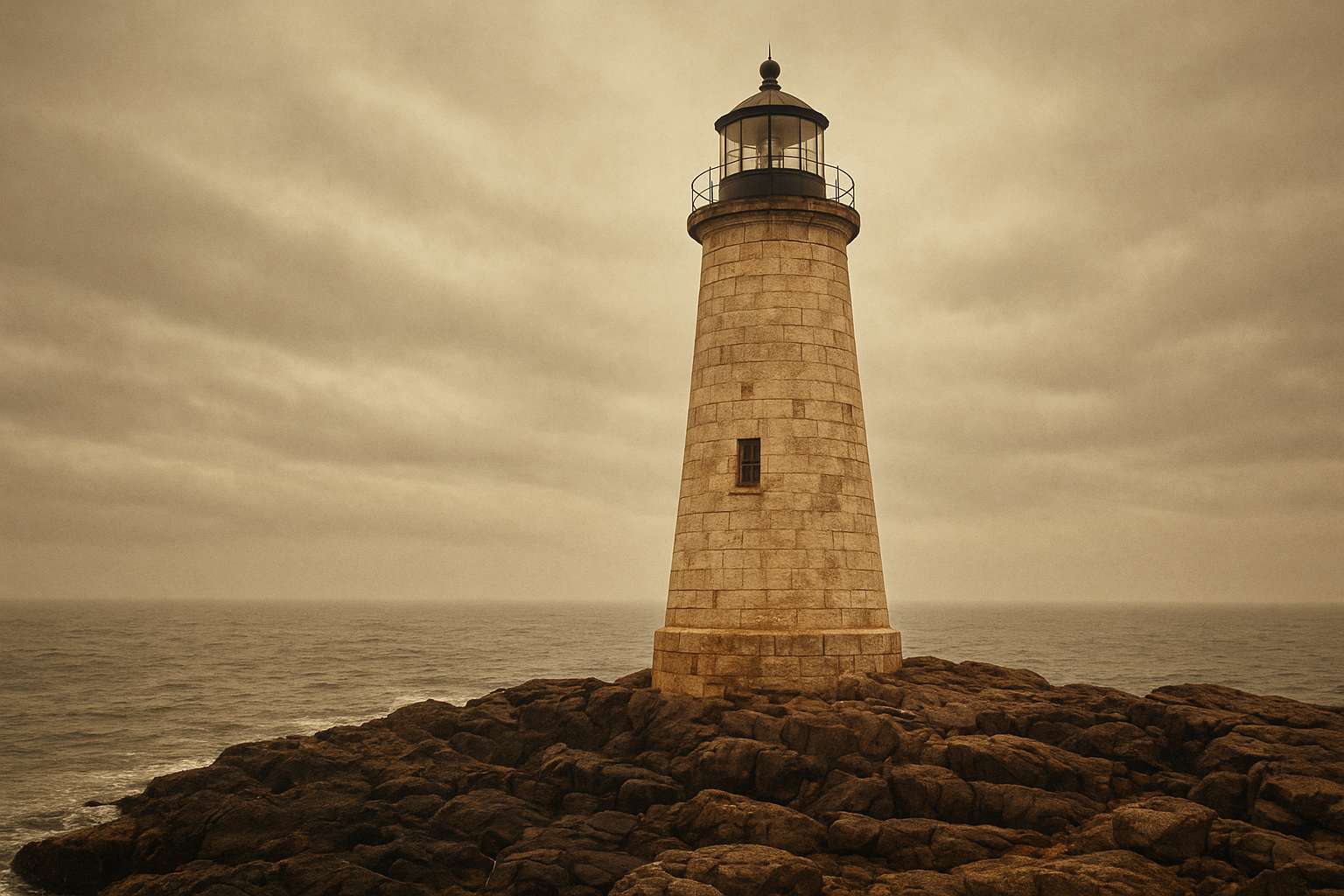
Historic lighthouse on the northern coast in late-day haze with muted sea horizon

Lighthouses of the Northern Coast

Trace archive photographs, keeper stories, and the preserved towers that still mark the shoreline.

  • Archive photos
  • Keeper accounts
  • Preserved towers

Historical orientation

Why the northern coast's lighthouses mattered

Along reefed channels and shifting bars, the towers formed a practical chain of light: guiding cargo vessels toward safe water, signaling through fog and winter storm, and gradually becoming fixed points in local memory where generations measured weather, work, and return.

  1. Early beacons · 1820s–1850s

    Timber lights and oil lanterns marked the first dependable night passages at exposed headlands.

  2. Navigation expansion · 1860s–1910s

    Masonry towers, improved lenses, and coordinated keepers' stations connected the full coastal route.

  3. Preservation era · 1970s–present

    Decommissioned sites were documented and conserved, reframing working towers as shared maritime heritage.
Explore the preserved towers map

Keeper Narratives

Keeper stories from three eras of the northern coast

From oil-lamp watches to radio weather calls, these accounts trace how daily life inside the towers shaped the coast’s maritime memory.

Era: 1890s Lantern Service

Logbook source: North Point, 1894

Night Watches at North Point

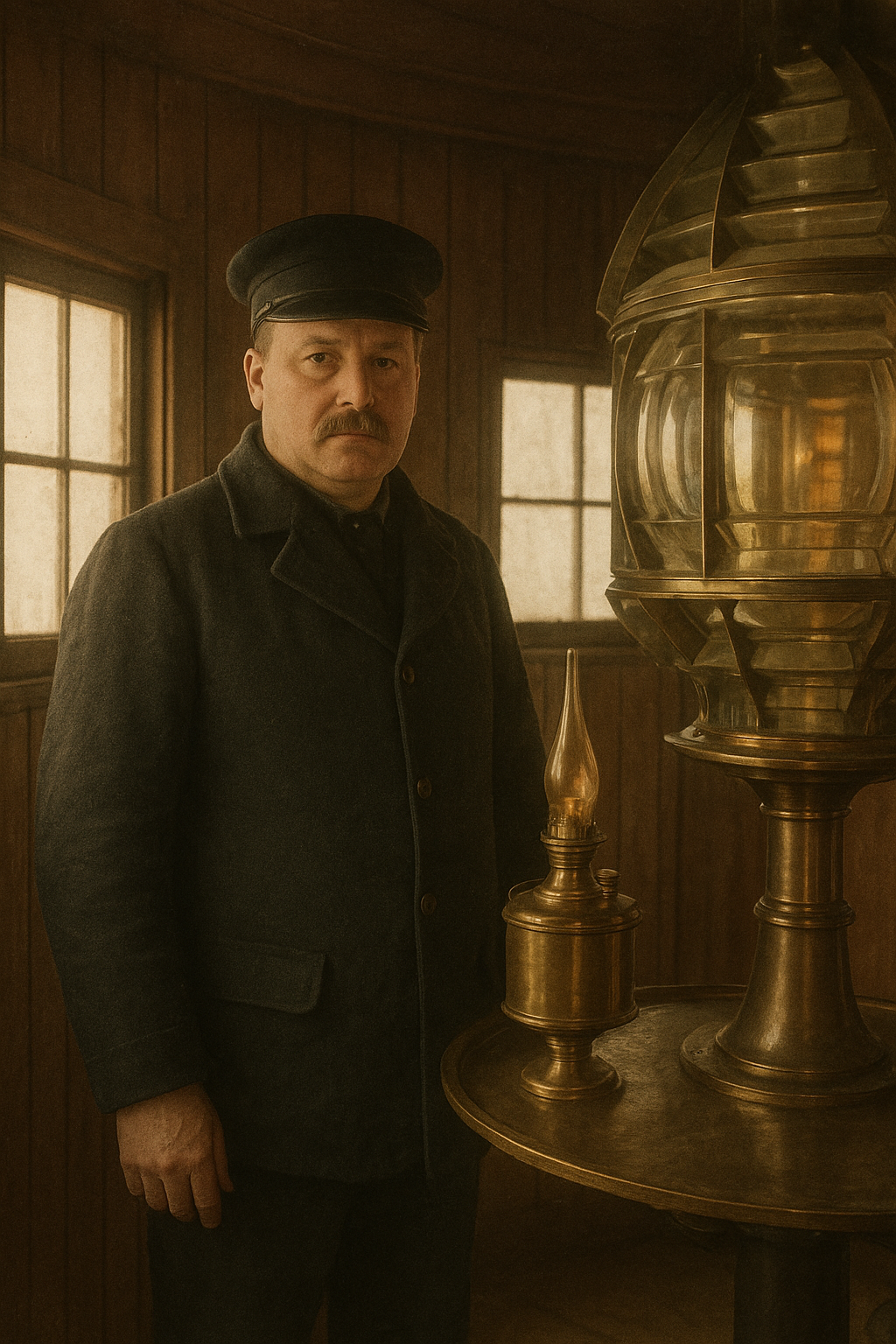
Archival-style portrait of a late-19th-century lighthouse keeper standing beside brass lamp equipment in a narrow tower room
Glass plate portrait, c. 1894 (restored).

Keeper Elias Morren wrote of trimming wicks by hand through dense coastal fog while listening for the horn at Reed Inlet. On winter tides, he climbed the spiral stair every two hours to keep the lens clear of salt mist. His entries are practical and spare, yet they reveal a routine of constant alertness.

Context note: Before electrification, one missed relight could leave shoals unmarked for the entire night watch.

Locate North Point on the map
Era: 1930s Radio Transition

Signals Through Storm Season

In 1937, Keeper Marta Hein balanced lamp duty with hourly radio weather reports sent to passing cargo crews. Her diary notes how static would swallow whole words during squalls, forcing repeated transmissions. Even with new equipment, the tower remained a place of manual discipline.

Context note: Coastal stations often used both lantern and radio systems for redundancy during severe weather.

Read full story
Era: 1970s Preservation Shift

The Last Winter Before Automation

During the winter of 1974, acting keeper Jonah Vale recorded school visits and volunteer paint crews between fog alerts. His notes move from navigation details to questions of memory, asking what should remain once the tower no longer needed full-time staff. The log captures a handover from service post to heritage site.

Context note: Many northern towers entered preservation trusts within a decade of automation.

Trace preserved towers

Preserved tower reference

A geographic view of what remains along the northern coast

This panel traces preserved lighthouse points by coastline position, linking place, chronology, and conservation notes in one quiet overview.

Explore the map

Northern Coast Preservation Map

Documentary schematic

Harbor Reach
Ironcliff
North Sound
Cape Meridian

Visiting notes

What survives, what changes, and how to read these places carefully

These notes summarize present-day conditions around preserved towers and explain how to interpret records without losing historical context.

How much of each lighthouse remains in its original state?

Many towers retain their core masonry and lantern profiles, while service rooms, railings, or access stairs have often been renewed in phases. On this site, preservation status refers to structural continuity rather than complete material untouchedness.

Why is access limited at some preserved coastal sites?

Restricted entry usually reflects conservation constraints, unstable ground conditions, active navigation equipment, or fragile interiors not suited to heavy foot traffic. Public viewpoints may be available even when tower interiors are closed.

How should we understand restoration versus original fabric?

Restoration aims to preserve function and form through careful replacement where failure would risk loss. Original fabric denotes surviving historic material; restored elements mark responsible intervention. Both can hold documentary value when their dates and methods are clearly recorded.

What weather and safety conditions matter most on the northern coast?

Rapid wind shifts, wet stone, unstable cliff edges, and tidal changes are common hazards near lighthouse grounds. Conditions can change within minutes, so local signage, barrier lines, and seasonal closures should be treated as part of site protection, not inconvenience.

How can archive photographs be interpreted responsibly?

Read each image alongside its date, vantage point, and likely purpose (survey, engineering, family record, or press). Framing can conceal later additions or erosion beyond the edge of view, so comparison across multiple years is essential before drawing conclusions.

For place-based context across the full coastline, continue to the reference section. Explore the map